
C&C 30 Mk I
Built 1973–1985 by C&C Yachts
About the C&C 30 Mk I
Researched from public sources for this model. Any individual boat may have been modified or repowered — confirm before relying on any figure.
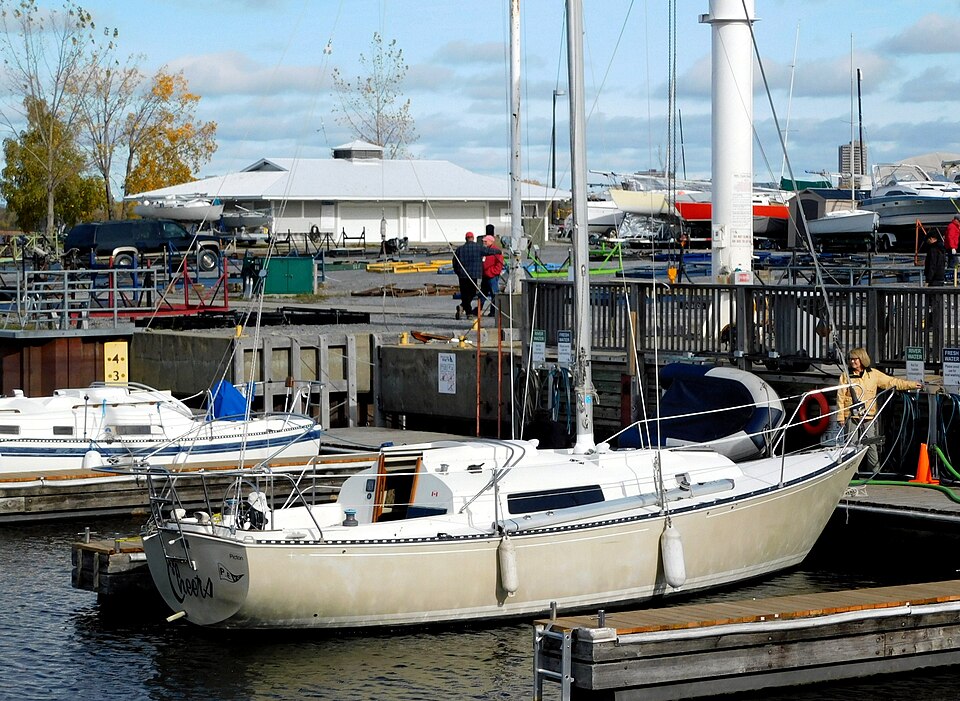
- Built
- 1973–1985
- Builder
- C&C Yachts
- Designer
- C&C Design
- Length
- 30 ft
- Waterline
- 24.92 ft
- Beam
- 10 ft
- Draft
- 5 ft
- Displacement
- 8,000 lb
- Ballast
- 3,450 lb
- Hull
- fiberglass
- Hull / keel
- fin keel
- Rig
- sloop
- Propulsion
- inboard
- Fuel
- 20 gal
- Water
- 42 gal
- Number built
- 800
- Stern thruster
- none
Longest-running C&C model, all built at Niagara-on-the-Lake, Ontario. Early boats had a swept shark-fin keel and spade rudder; the rudder became higher aspect in 1976 and the boom was raised in 1978. Atomic 4 gas was standard; Yanmar QM15 diesel optional up to hull #675, Yanmar 2GM from #676. Windows changed from aluminum-framed to bonded smoked plexiglass during the run. Shoal-draft version 4.2 ft. Practical Sailor states the 30 has no hull coring (deck is balsa-cored). Seen as a good coastal/lake boat but not set up for offshore without upgrades.
Known problems for this model
-
Balsa deck core and chainplate leaks deck
The chainplates pass through an aging balsa-cored deck; they need rebedding and rebolting, and wet deck core may need recoring with added backing plates.cruisersforum.com
-
Weak fixed portlights and hatches deck
The original thin plexiglass portlights in light frames and the forehatch are considered weak for offshore use.cruisersforum.com
-
Original 1970s wiring electrical
Original AC wiring on older boats is dated and worth inspecting or replacing.cruisersforum.com
-
Rudder bearing variations steering
C&C tried several rudder-post bushing types over the production run, so bushing wear and replacement parts may differ by year.sailboatdata.com
Engines & parts
Universal Atomic 4 parts: good
Factory standard engine — you entered “Universal Atomic 4”
Tens of thousands were built (sources say from 40,000 to 50,000). Despite being out of production for decades, the engine is well supported: Moyer Marine sells parts, rebuilt engines, fuel pump rebuilds and exhaust parts, and hosts an owners' forum; Old Lyme Marina and others also supply parts, and electronic ignition upgrades are available.
Parts sources: Moyer Marine
Common problems (3)
-
Raw-water cooling scale and corrosion cooling
Most Atomic 4s are raw-water cooled, so the block scales up and corrodes, especially in salt water; cranking without starting can also flood the engine with seawater through the exhaust.goodoldboat.com · moyermarineforum.com · keelindex.com
-
Gasoline vapor fire/explosion risk fuel
Gasoline vapor is heavier than air and settles in the bilge, so ventilation, blower use and shutting the fuel valve (a stuck carburetor float can overflow) matter.goodoldboat.com
-
Ignition and fuel system faults electrical
Points, condenser, cap and wires, plus gummed carburetors and contaminated fuel, are the most common reasons an Atomic 4 won't run well.keelindex.com · goodoldboat.com
Sources disagree on first year, last year, number built — left blank rather than guessed.
Yanmar 2GM / 2GM20F parts: good
Factory optional engine — you entered “Yanmar 2GM”
Well supported by Yanmar dealers and aftermarket; stainless mixing elbows that replace the OEM part numbers are widely sold.
Parts sources: Mack Boring & Parts (Yanmar distributor), HDI Marine (stainless exhaust elbows), Parts4Engines
Common problems (2)
-
Nearly blocked mixing elbow exhaust
Owners find the exhaust port of the mixing elbow almost completely blocked while the engine still runs; a failed U-elbow has also let water into a cylinder and cracked a piston.sailnet.com · practical-sailor.com
-
Noise and vibration from soft mounts engine
Worn soft engine mounts are a common cause of the vibration owners complain about; better aftermarket mounts are available.practical-sailor.com
Model sources (3)
Other C&C models
- C&C 27 Mk III 1974–1981
- C&C 33 Mk II 1984–1988
- C&C 34 1977–?
- C&C 35 Mk III ?–1987
Researched from public sources. Spotted an error? The sources are listed above — tell us what they got wrong.