
Tartan 34C
Built 1968–1978 by Tartan Marine
About the Tartan 34C
Researched from public sources for this model. Any individual boat may have been modified or repowered — confirm before relying on any figure.
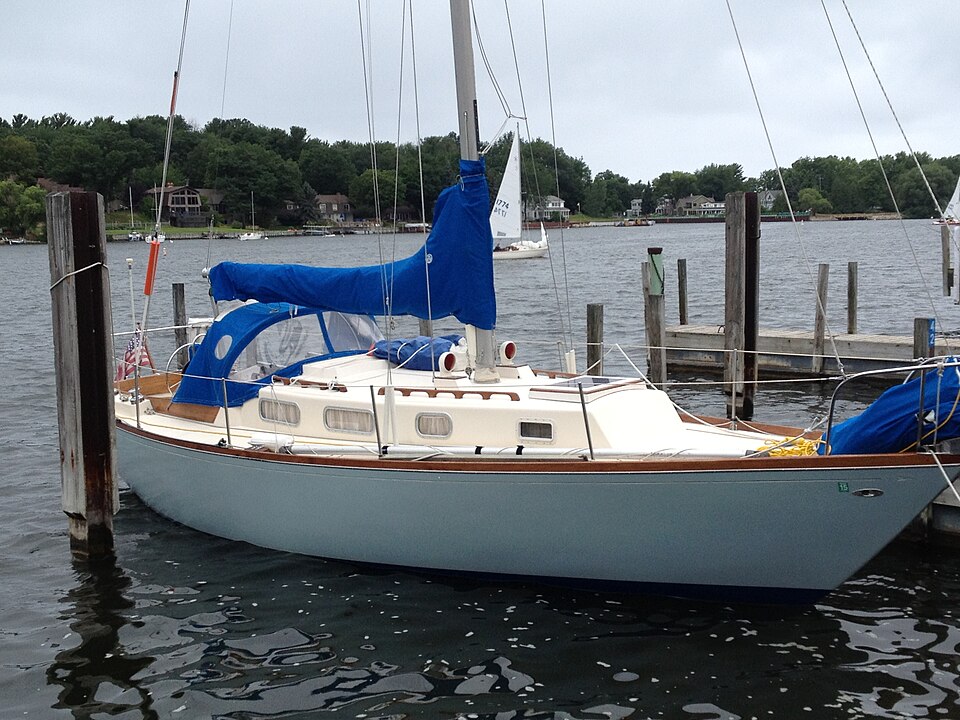
- Built
- 1968–1978
- Builder
- Tartan Marine
- Designer
- Sparkman & Stephens
- Length
- 34.42 ft
- Waterline
- 25 ft
- Beam
- 10.17 ft
- Draft
- 3.92 ft
- Displacement
- 11,200 lb
- Ballast
- 5,000 lb
- Hull / keel
- centerboard
- Rig
- sloop
- Propulsion
- inboard
- Water
- 36 gal
- Number built
- 525
- Stern thruster
- none
Sources disagree on fuel tank — left blank rather than guessed.
The C (classic) suffix is a used-market label for the first Tartan 34; the later S&S Tartan 34-2 is a different boat. Keel/centerboard: 3.92 ft up, 8.33 ft down. Atomic 4 in most boats; Farymann R-30-M diesel optional from 1975. Practical Sailor suggests the Universal Model 25 diesel as a possible drop-in Atomic 4 replacement if space allows. Fuel tank size varies by year (see disputed). Mainsail foot shortened at least twice during production; yawl rig advertised as an option. Deck is balsa-cored; hull coring not mentioned by sources. Hull material (solid vs cored) not stated by sources read. Practical Sailor says "more than 500" built 1968-1978; sailboatdata gives 525.
Known problems for this model
-
Gelcoat crazing and balsa deck delamination deck
Owners most often report cracked and crazed deck gelcoat on the foredeck and forward cabin trunk, and some report soft or delaminated balsa-cored deck; sound the whole deck before buying.practical-sailor.com
-
Brass through-hull nipples and gate valves plumbing
Early boats used brass pipe nipples glassed into the hull with gate valves, which dezincify in salt water and should be replaced with proper bronze or composite seacocks.practical-sailor.com
-
Centerboard and lifting gear hull
The centerboard and its mechanism are a frequent complaint; the board locks in position rather than kicking up, so groundings with the board down are common.practical-sailor.com
-
Basic original electrical system electrical
Original wiring is minimal, with a small alternator and fuses rather than breakers; check for poorly added circuits.practical-sailor.com
-
Engine low in bilge engine
The engine sits under the port settee in the bilge, giving good access but making it vulnerable if the hull floods; prop clearance limits upsizing.practical-sailor.com
Engines & parts
Universal Atomic 4 parts: good
Factory standard engine — you entered “Universal Atomic 4”
Tens of thousands were built (sources say from 40,000 to 50,000). Despite being out of production for decades, the engine is well supported: Moyer Marine sells parts, rebuilt engines, fuel pump rebuilds and exhaust parts, and hosts an owners' forum; Old Lyme Marina and others also supply parts, and electronic ignition upgrades are available.
Parts sources: Moyer Marine
Common problems (3)
-
Raw-water cooling scale and corrosion cooling
Most Atomic 4s are raw-water cooled, so the block scales up and corrodes, especially in salt water; cranking without starting can also flood the engine with seawater through the exhaust.goodoldboat.com · moyermarineforum.com · keelindex.com
-
Gasoline vapor fire/explosion risk fuel
Gasoline vapor is heavier than air and settles in the bilge, so ventilation, blower use and shutting the fuel valve (a stuck carburetor float can overflow) matter.goodoldboat.com
-
Ignition and fuel system faults electrical
Points, condenser, cap and wires, plus gummed carburetors and contaminated fuel, are the most common reasons an Atomic 4 won't run well.keelindex.com · goodoldboat.com
Sources disagree on first year, last year, number built — left blank rather than guessed.
Model sources (2)
Other Tartan models
- Tartan 27 1961–1980
- Tartan 30
- Tartan 3500 ?–2005
- Tartan 37 (S&S) 1976–1988
Researched from public sources. Spotted an error? The sources are listed above — tell us what they got wrong.