
Knots & line handling
A handful of knots covers almost everything on a boat. Practice each until you can tie it without looking — and in the dark.
Hitches
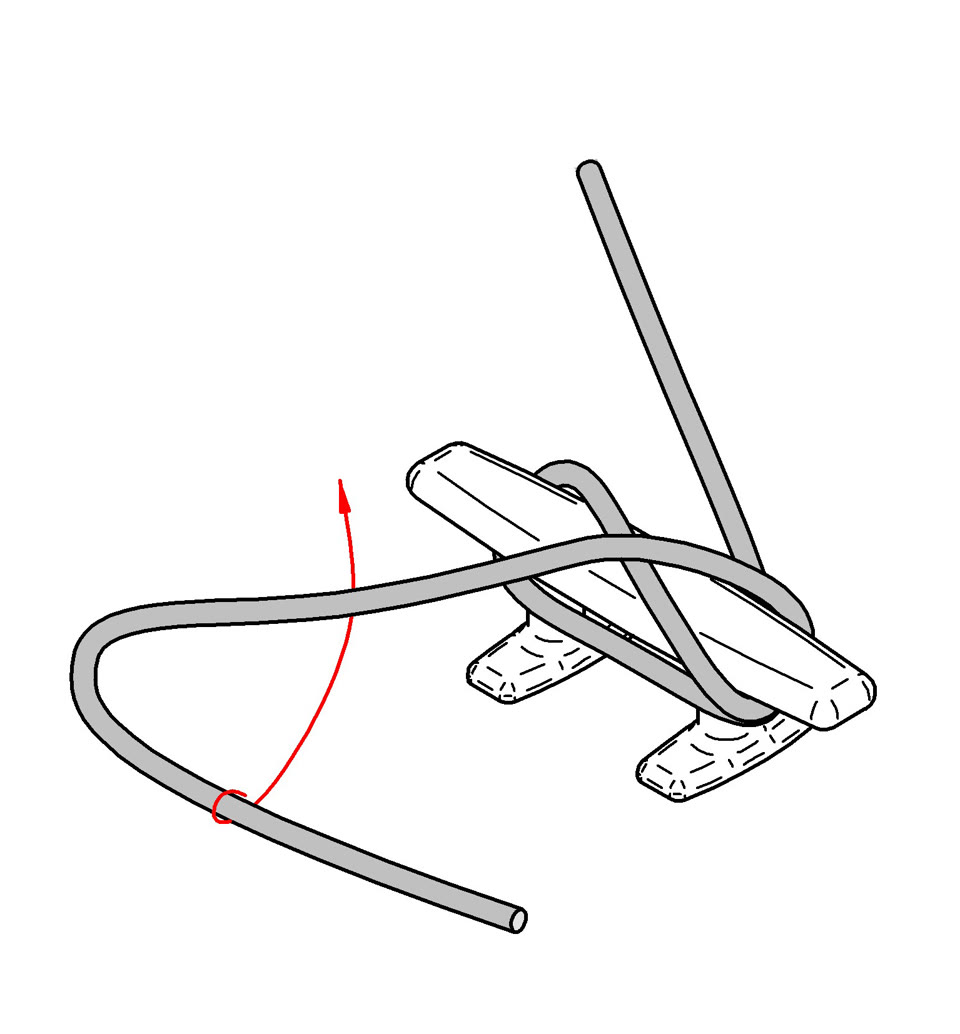
Cleat hitch
easy · Making a dock line fast to a horn cleat on the boat or on the dock
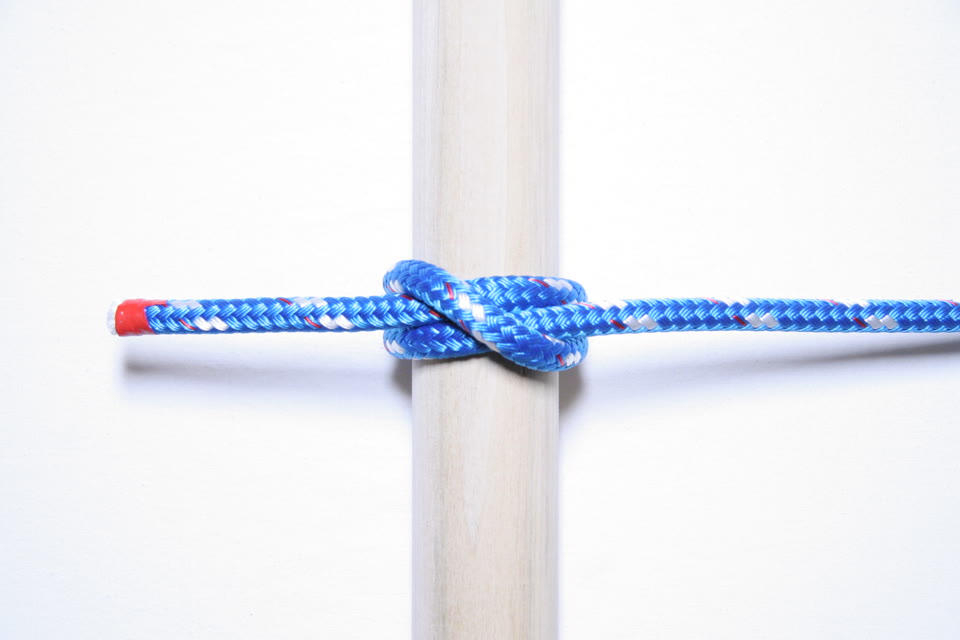
Clove hitch
easy · Hanging a fender from a rail or stanchion, where you want to slide it up or down to set the height
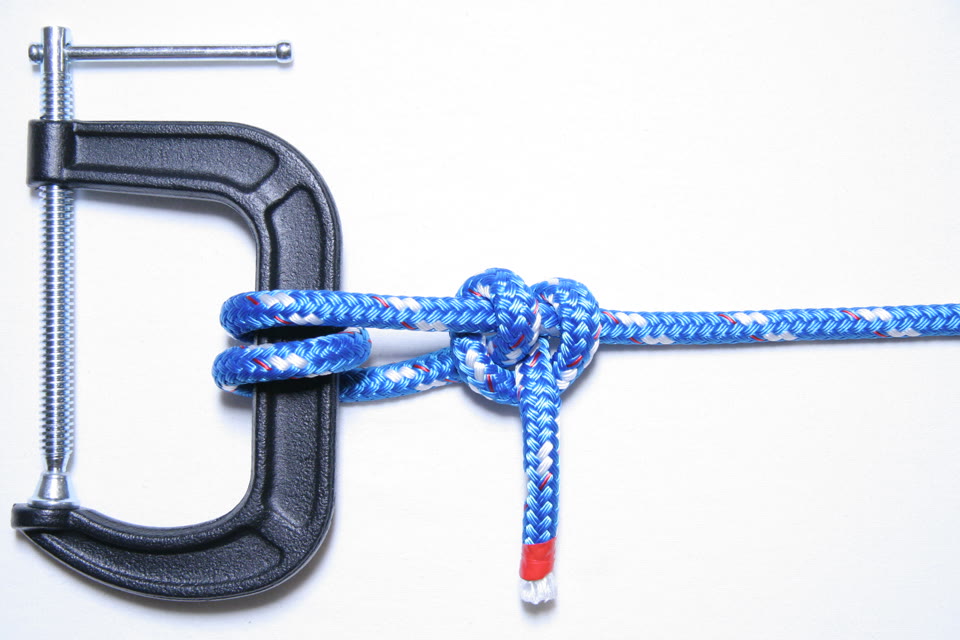
Round turn and two half hitches
easy · Tying a line to a piling, rail or ring when the line is already under load
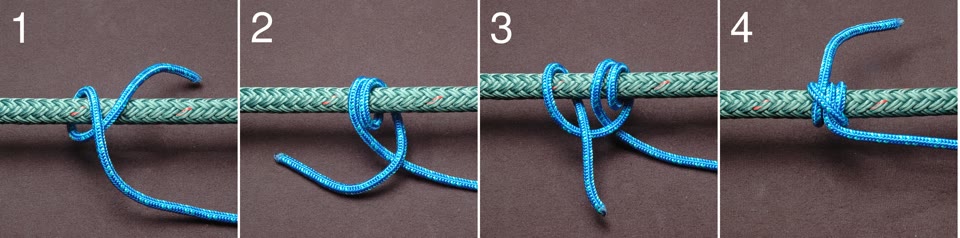
Rolling hitch
moderate · Taking the load off a sheet jammed on a winch by an override, so the turns can be cleared
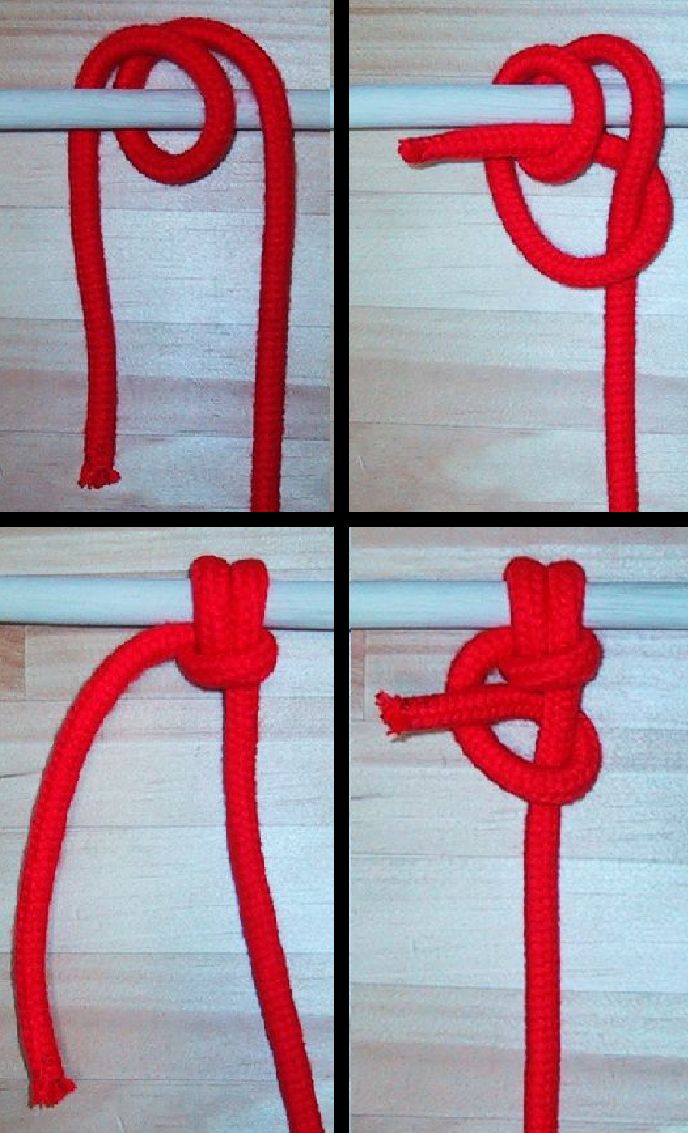
Anchor bend
moderate · Tying a rope rode to the anchor's shackle or ring, or to the end of the chain
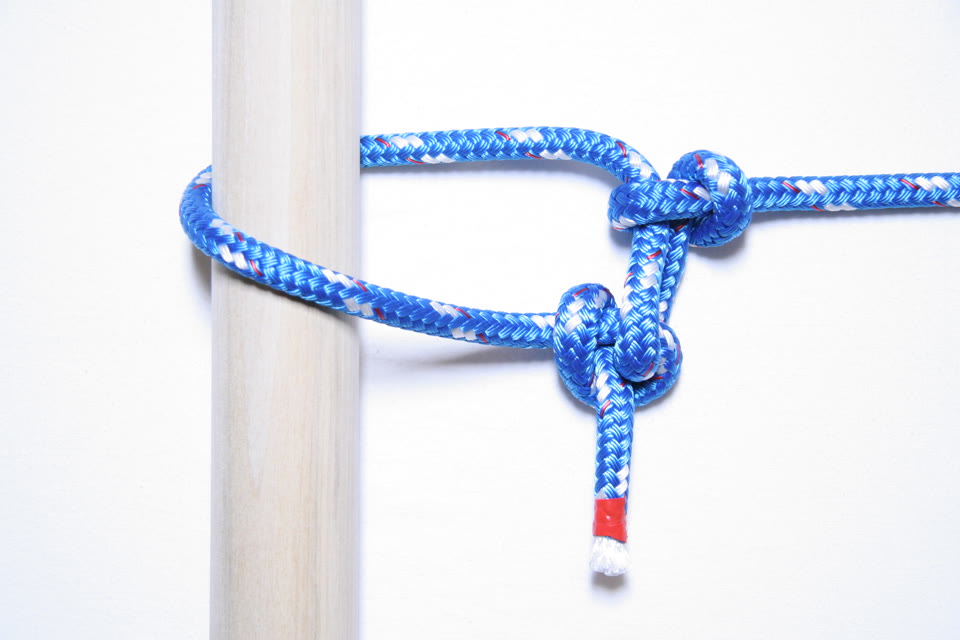
Trucker's hitch
moderate · Snugging down lashings on a dinghy, kayak or gear carried on deck
Loops
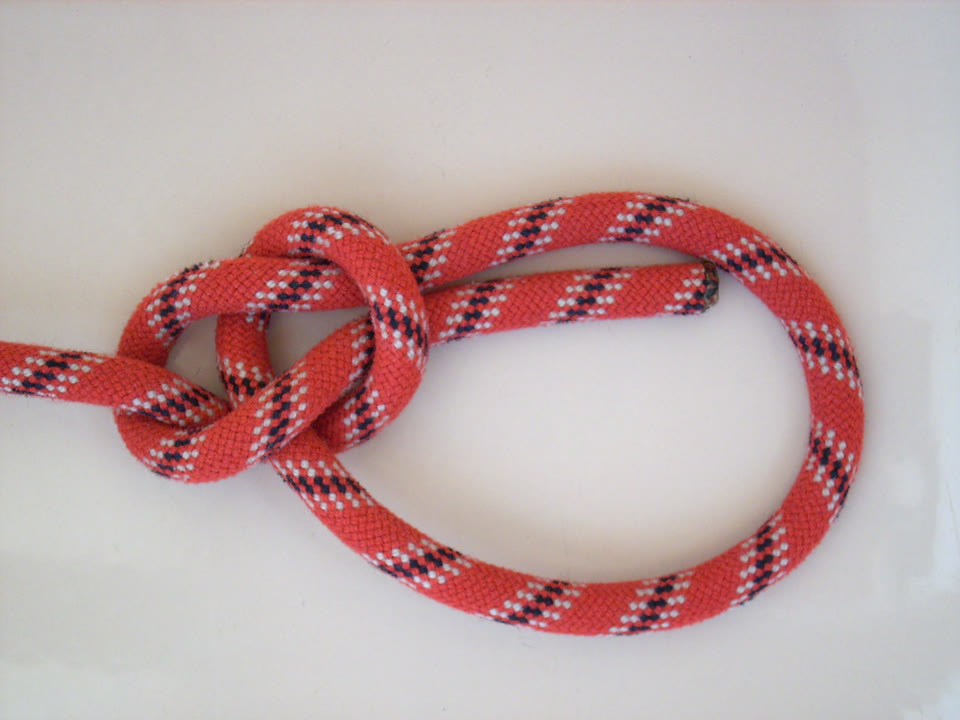
Bowline
moderate · Putting a fixed eye in a dock line to drop over a piling or cleat when the line has no spliced eye
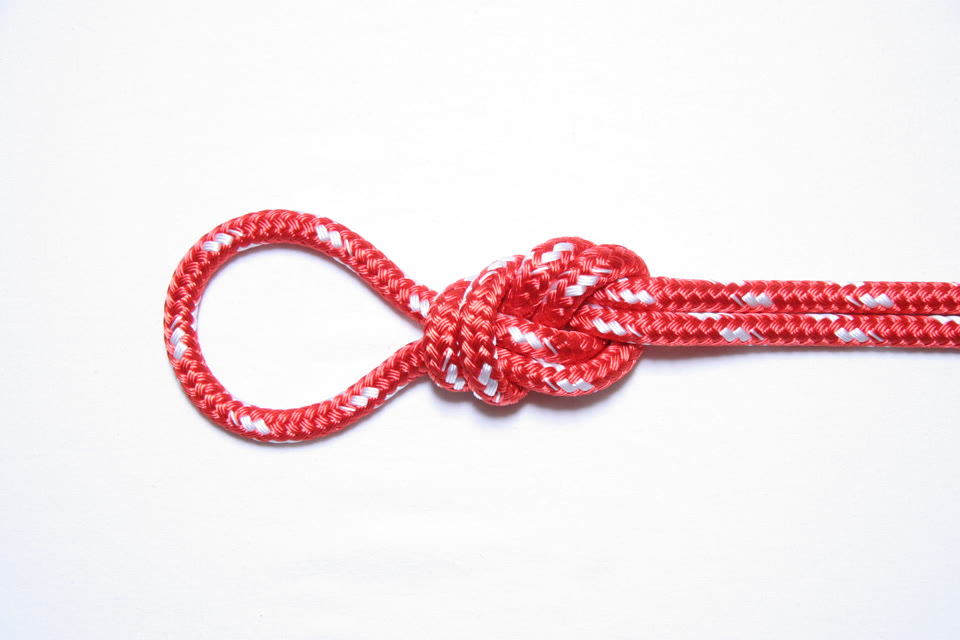
Figure-eight loop
easy · A fixed loop that will not slip, for example the loop in a trucker's hitch
Bends (joining two lines)
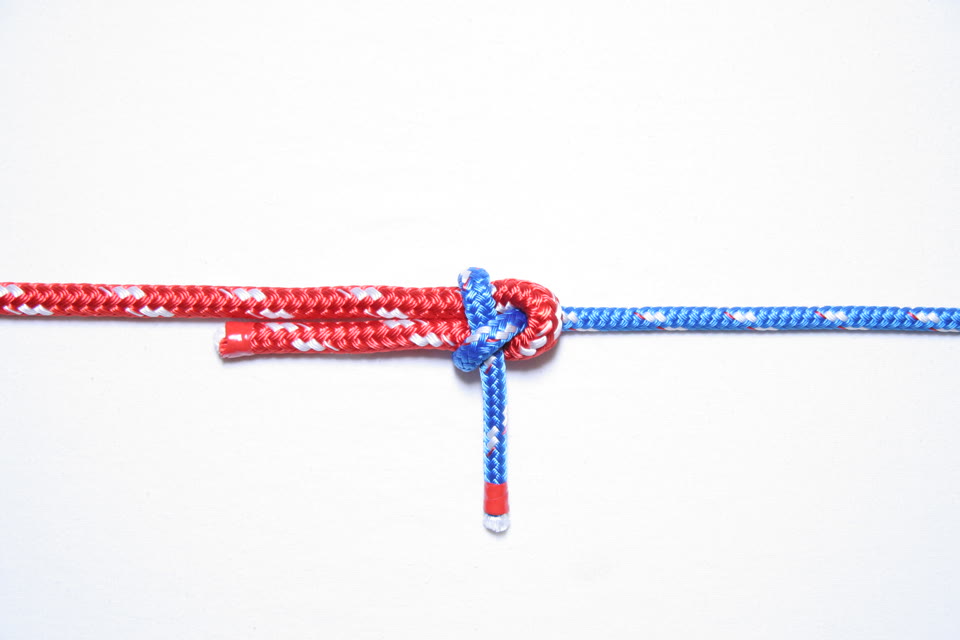
Sheet bend
easy · Joining two lines, including lines of different sizes, such as lengthening a dock line or tow line
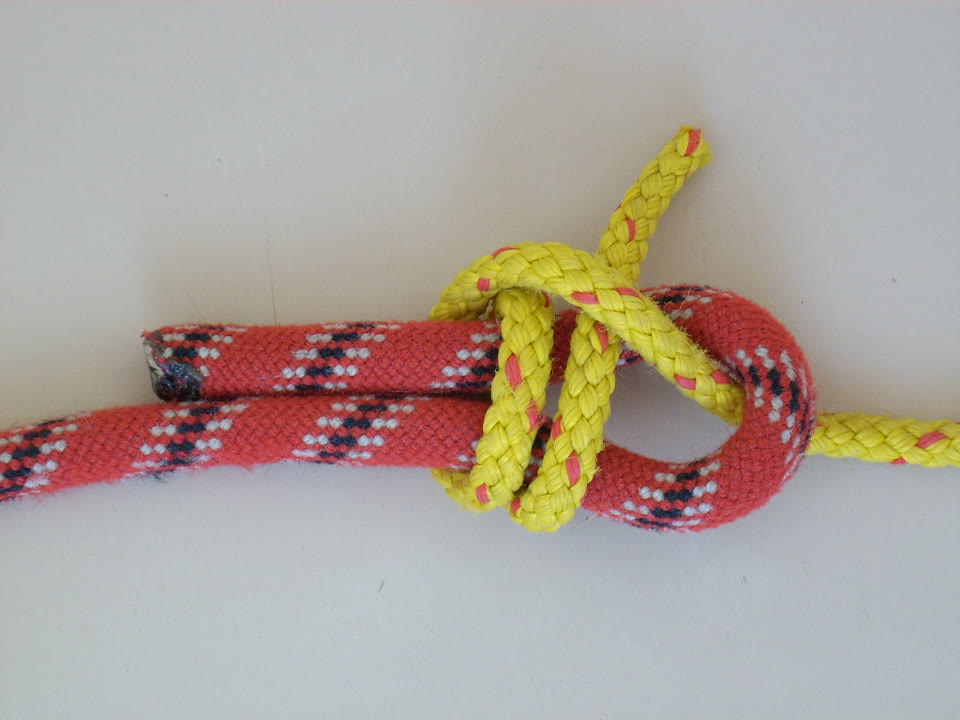
Double sheet bend
moderate · Joining lines of very different sizes
Stoppers
Binding knots
Line handling
Coiling and hanging a dock line
easy · Stowing the spare end of a dock line neatly after it is cleated
Flaking a line or anchor rode
easy · Laying a rope anchor rode out on deck before anchoring so it runs out without kinks or snarls
Heaving a line ashore
moderate · Getting a dock line to someone on the dock when you cannot step off
Making fast to a winch or self-tailer
moderate · Trimming and holding jib sheets and halyards on a sailboat
Securing to a piling
moderate · Tying up in a slip or at a fixed dock that has pilings instead of cleats
Hanging fenders at the right height
easy · Protecting the hull when docking, lying alongside, rafting up or waiting in a lock
General guidance for recreational boaters, researched from the sources listed and written in our own words. Your equipment manuals, local knowledge, the Navigation Rules and a qualified instructor come first.